Status and Distribution
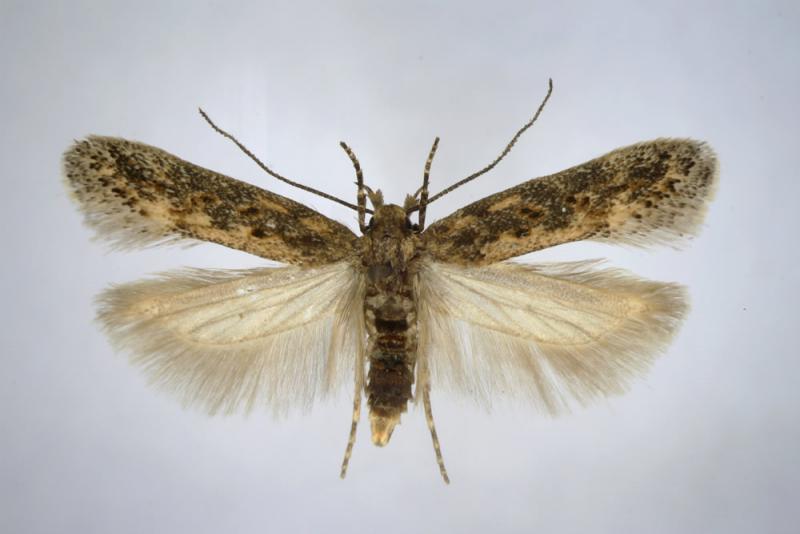
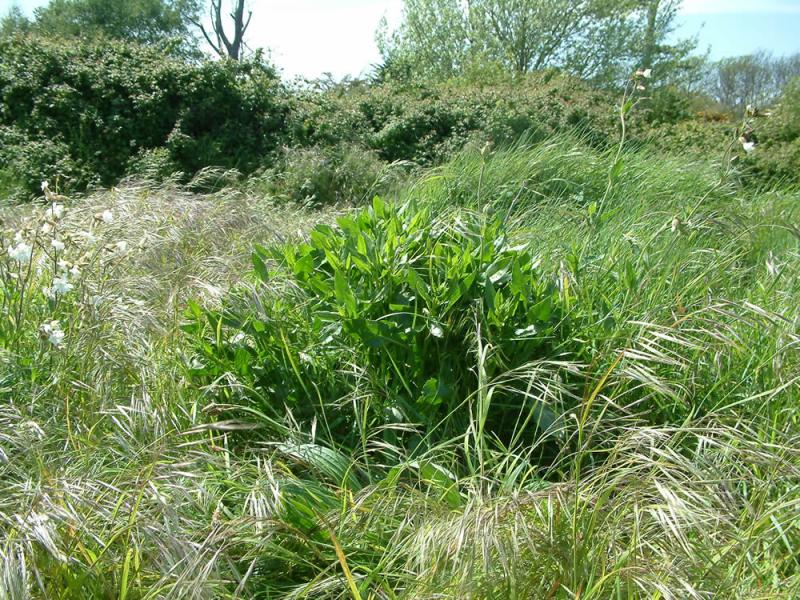
Until 2020, known only as a local and predominantly coastal species of southern England from Suffolk round to Cornwall, Scilly Isles and Channel Islands; rare in south west Wales and single records from north Somerset and the south coast of Ireland. Most inland records were considered as probable wanderers from nearby coastal habitats. One in Farley, south Wiltshire on 25th September 2019 was considered, at the time, as one such moth. However, subsequent inland records in 2020 suggest this may have been a harbinger of things to come.
On 15th September 2020 a notable influx was reported in Bedfordshire and, to a lesser extent, in Huntingdonshire. Further records in 2021 in Suffolk and a few in Cambridgeshire indicated the possible establishment of inland breeding populations.
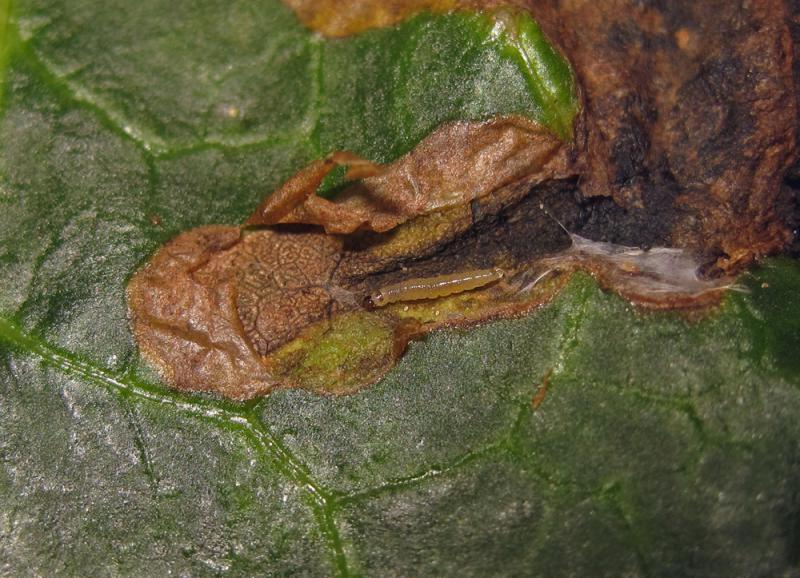
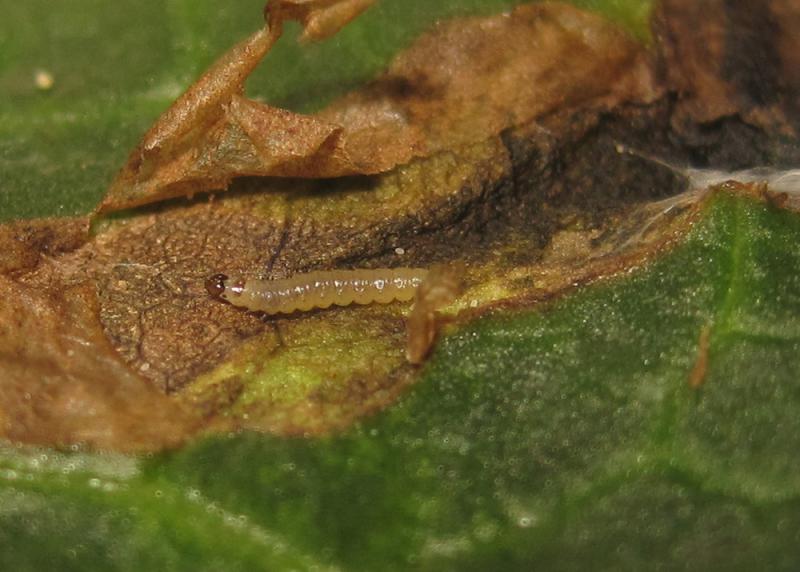
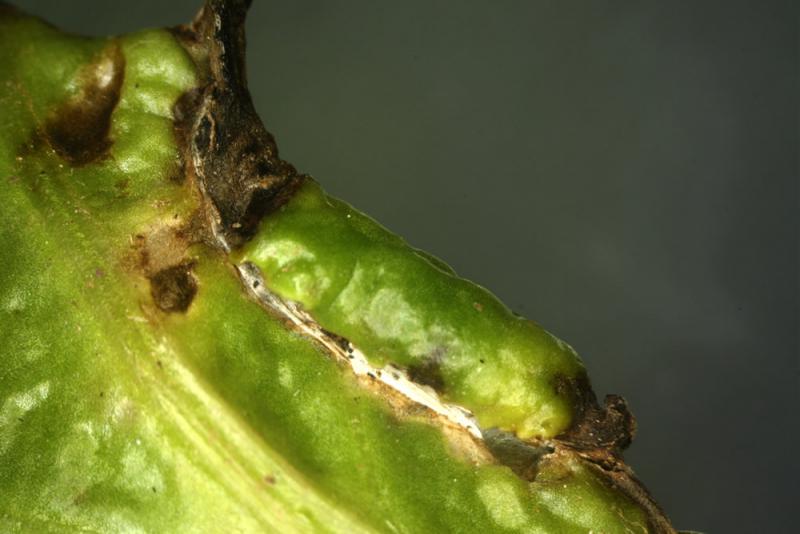
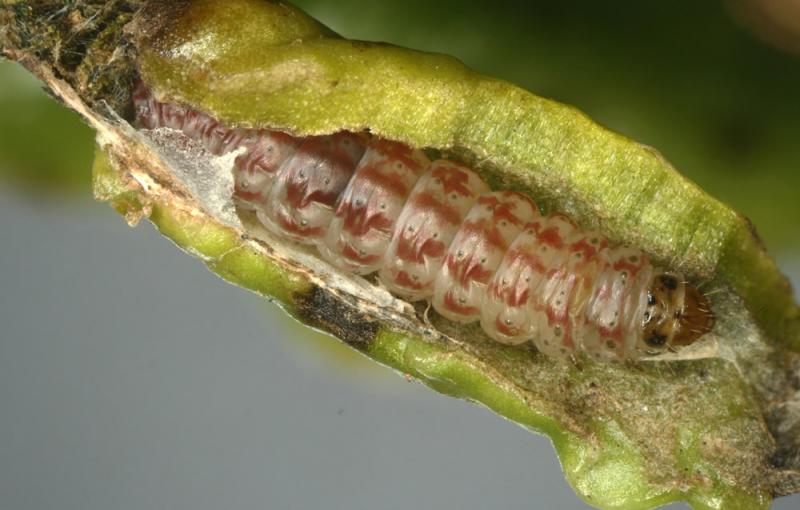
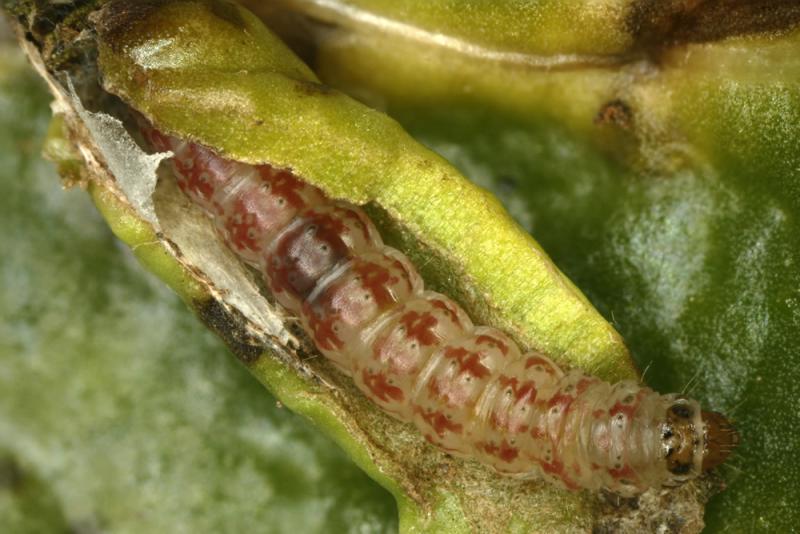
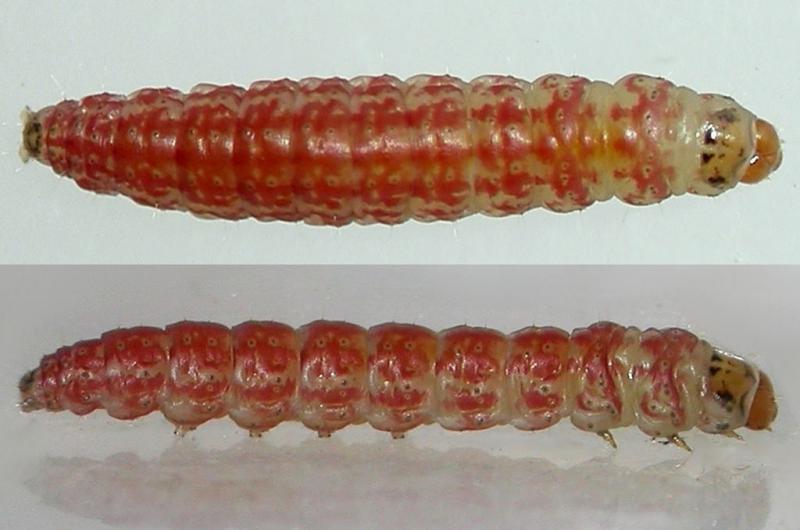
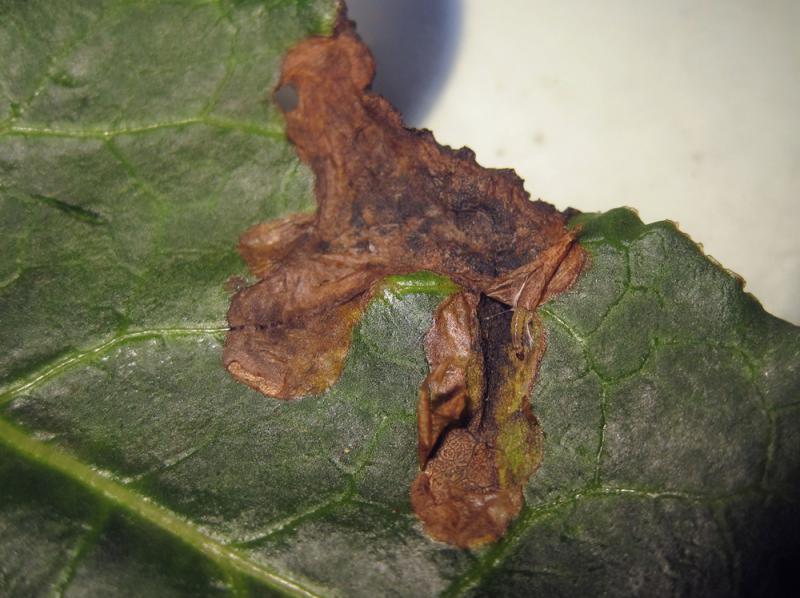
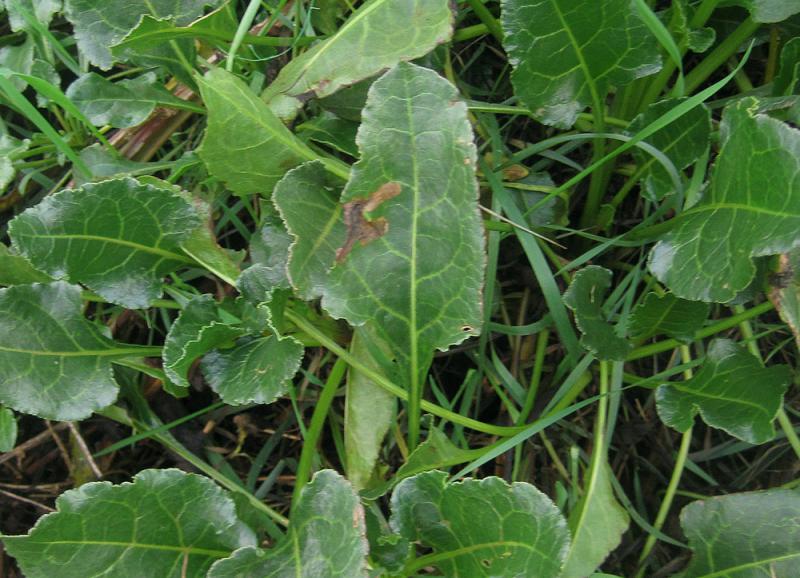
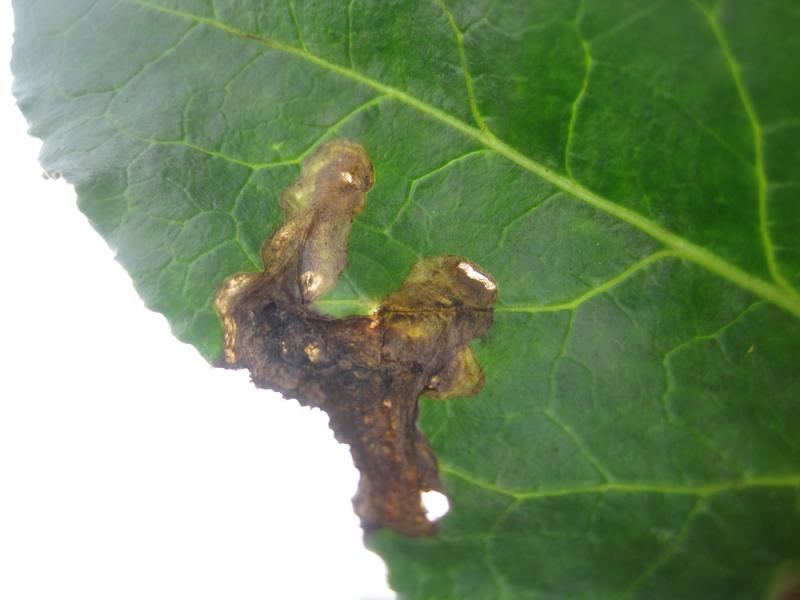
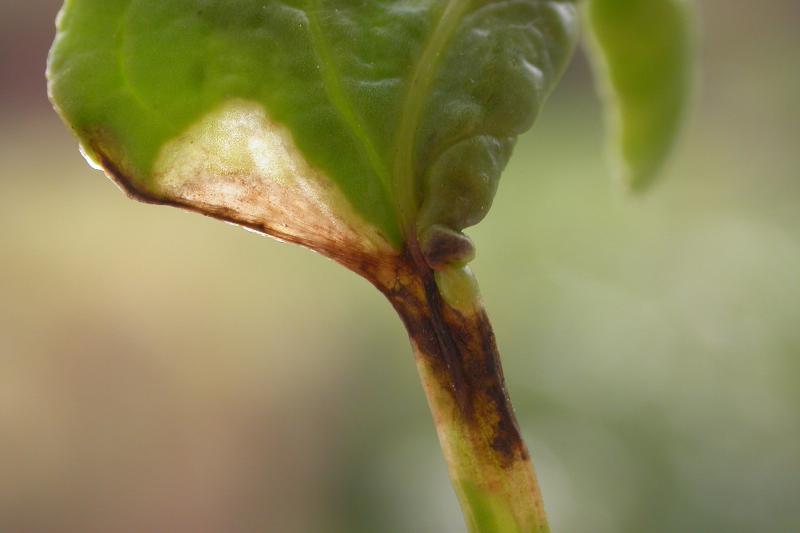
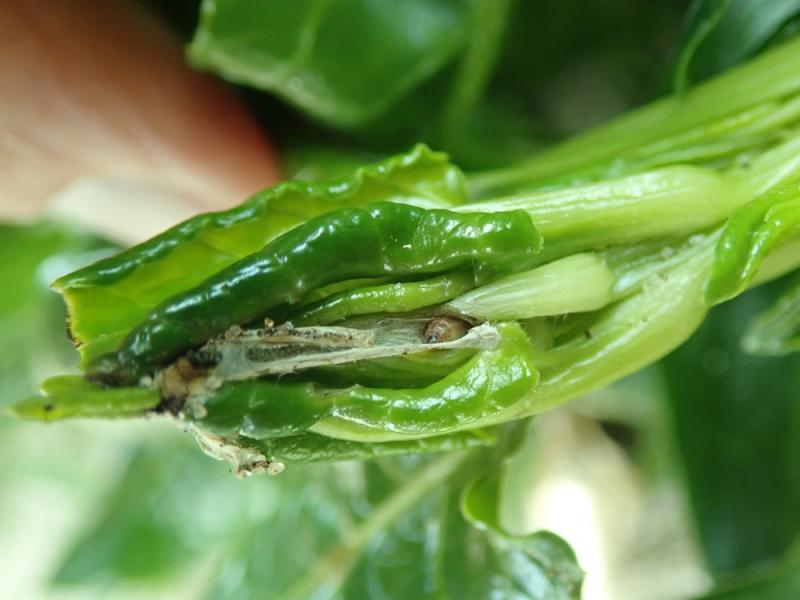
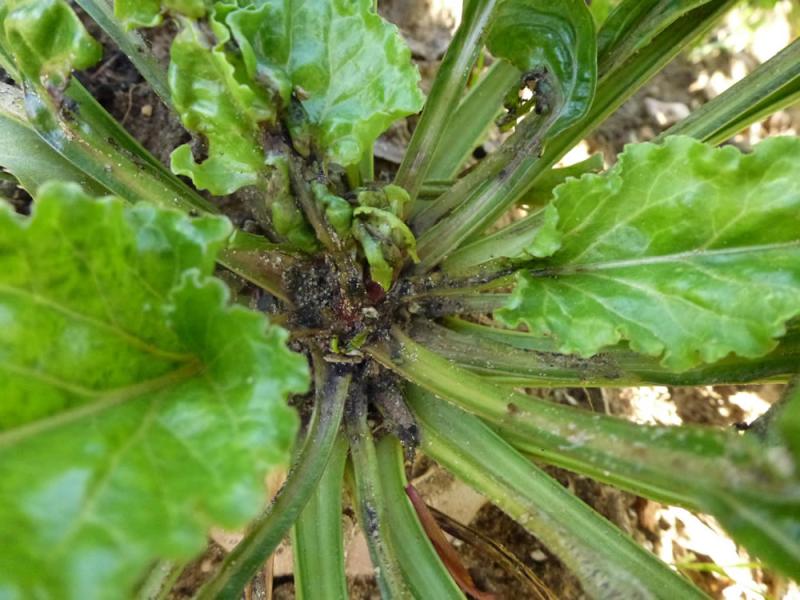
Reports received during 2022 have now confirmed there was a significant eruption and expansion of range of this species across swathes of England and further afield. At present it is uncertain if this was fed by migration from the continent or solely suitable breeding conditions on sugar beet crops in south and south east England (or perhaps both). Certainly reports of larvae in considerable numbers at some sites were received. The Sugar Beet Industry sent out a warning to farmers to be on the look out for larval feeding and it was, apparently, a significant problem at some sites. The subsequent dispersal, during August and September, was rapid and over considerable distances with reports from as far west as Devon in South-west England, Carmarthenshire and Powys in Wales, Lancashire in North-west England and, in Scotland, from East Lothian, Kincardineshire and in Shetland. The last involved two at light in Wiltrow, mainland Shetland on 18th July 2022.
The Gelechiid Recording Scheme would welcome receiving reports of this species from areas not shown on the current distribution map.